A blocked drain rarely fixes itself. What starts as a slow shower or a gurgling toilet can end with wastewater backing up into the house or overflowing from the gully outside.
A4plumbing clears blocked drains in kitchens, bathrooms, laundries and outdoor sewer lines. Just as importantly, we look for the reason it blocked — tree roots, grease build-up, a collapsed pipe or something that shouldn't have been flushed — so you can decide how to stop it coming back.
Common problems we help with
- Kitchen sinks blocked with fat and food waste
- Shower and basin drains blocked with hair and soap
- Toilets blocked by wipes and sanitary products
- Tree roots in older clay sewer pipes
- Broken or misaligned underground pipes
Signs you should call a plumber
How the job works
- 1
Find the blockage
We work out whether it's a single fixture or the main line based on which fixtures are affected.
- 2
Clear it
Using the right equipment for the pipe and blockage type.
- 3
Inspect where needed
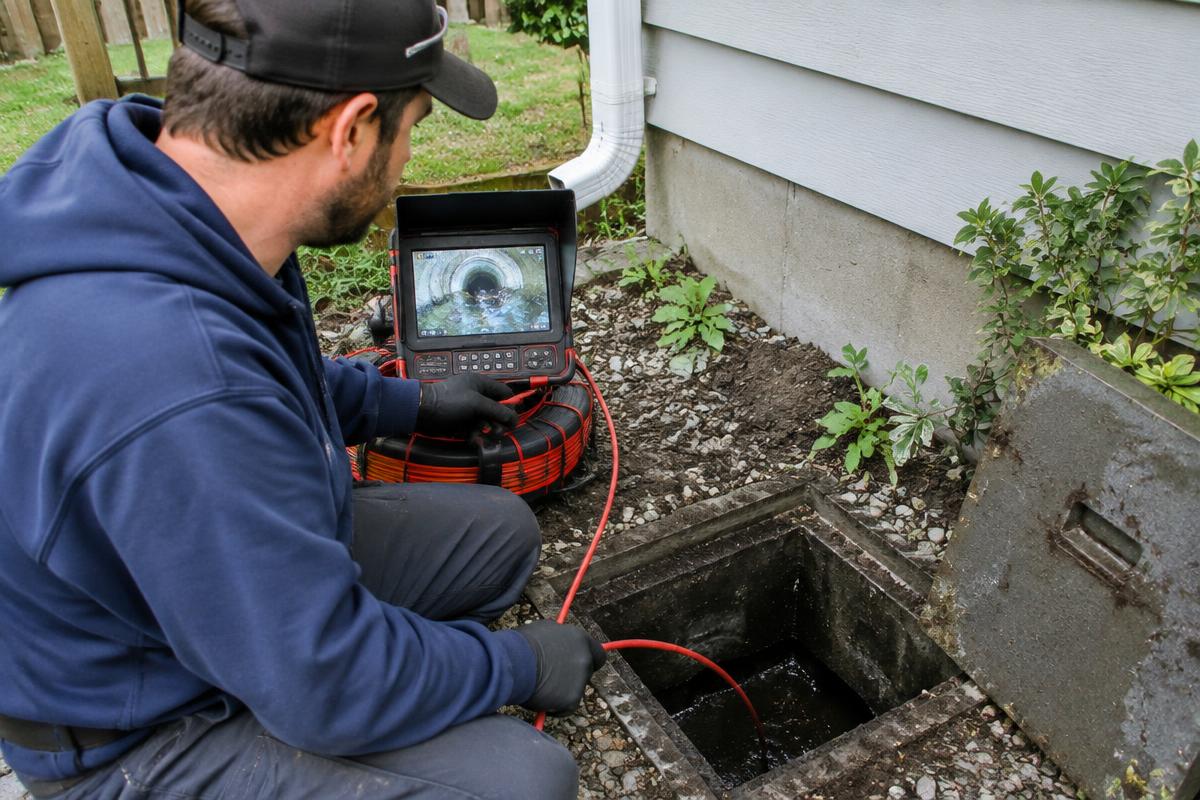
For repeat blockages, a camera inspection can show roots, cracks or collapsed sections.
- 4
Recommend next steps
If the pipe is damaged, we explain repair options so you can make an informed decision.
What affects the cost?
Every job is different, so we don't publish fixed prices. We'll explain the costs before work begins. Factors include:
- Location and depth of the blockage
- Access points available (inspection openings)
- Whether a camera inspection is required
- Pipe condition and any repairs needed
Prevention and maintenance tips
- Never pour fats or oils down the sink — let them cool and bin them
- Only flush toilet paper; 'flushable' wipes still cause blockages
- Use hair catchers in showers
- Know where trees are planted relative to your sewer line
Questions customers ask
Should I use chemical drain cleaners?
We don't recommend them. They often don't clear the blockage, can damage pipes and create a hazard for whoever clears the drain next.
Why does my drain keep blocking?
Repeat blockages usually point to a pipe problem such as roots, a sag or a crack. A camera inspection is the best way to find out.